Selling a house is challenging on its own, but discovering mold, asbestos, or other environmental issues can make the process feel even more intimidating. These problems often raise concerns about safety, cleanup costs, and legal disclosures, which can scare off buyers and slow down a sale. Whether the issue was uncovered during an inspection or has been known for years, it’s easy to feel stuck about what to do next.
In this roundup blog, we’ll explain what common environmental issues mean for homeowners, how they can impact your ability to sell, and the options available to you. From remediation and disclosure requirements to selling as-is to a cash home buyer, you’ll learn practical ways to move forward and choose the path that makes the most sense for your situation.
- Common Examples of Environmental Issues in Homes
- Can You Sell a House with Environmental Issues?
- How to Sell a House with Mold, Asbestos, or Environmental Issues
- Tips for Selling a House with Mold, Asbestos, or Environmental Issues
- Selling a House with Environmental Issues: FAQ
Common Examples of Environmental Issues in Homes
Environmental issues can show up in many different ways, and not all of them are immediately obvious to homeowners or buyers. Some problems develop over time due to age, moisture, or past building practices, while others are uncovered during inspections or testing. Understanding the most common environmental issues found in homes can help you better assess your situation and anticipate how buyers may respond when it’s time to sell.
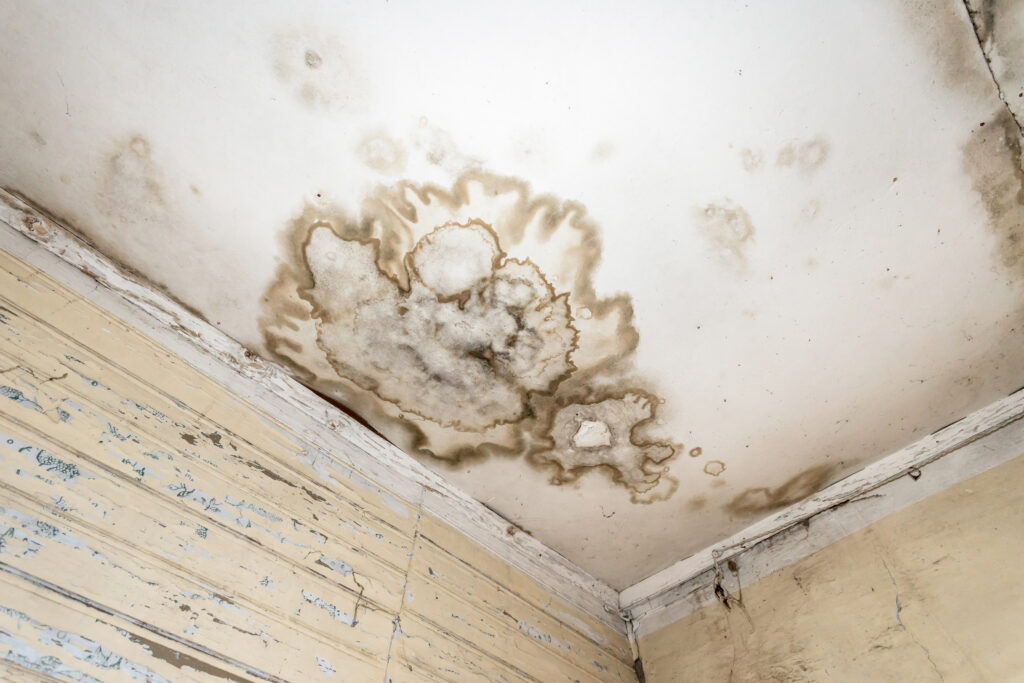
Mold
Mold is one of the most common environmental issues in homes, often caused by moisture problems like leaks, flooding, or poor ventilation. While some mold is relatively minor, it can still raise red flags for buyers and typically shows up during inspections, leading to repair requests or price negotiations.
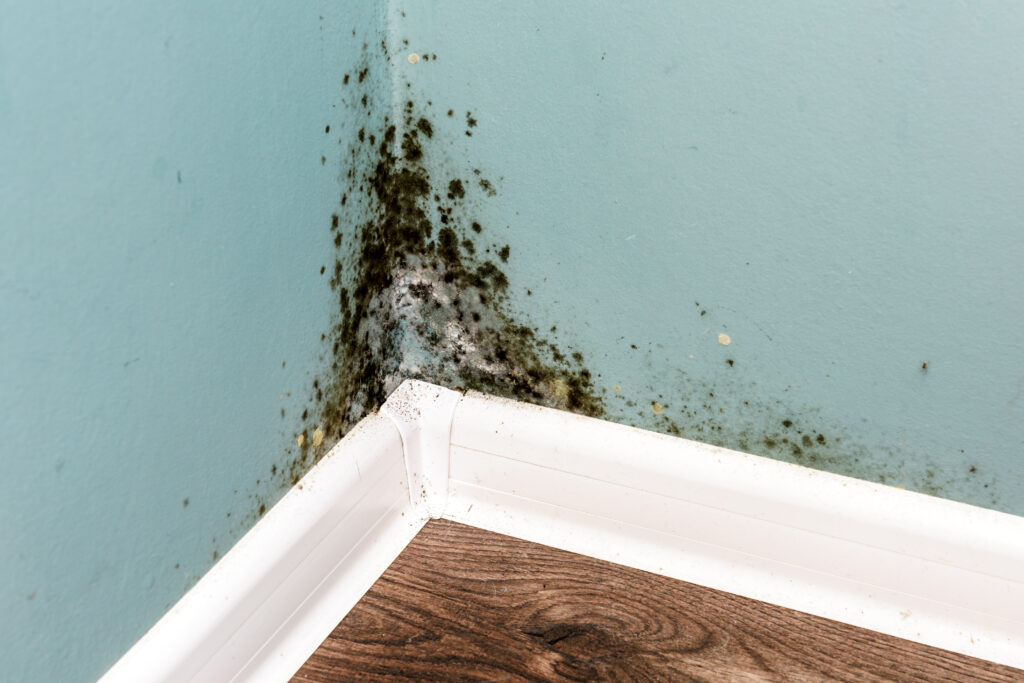
Black Mold
Black mold is a more serious form of mold that thrives in damp, humid environments. Because it’s associated with potential health risks, buyers tend to be especially cautious when black mold is present. Its discovery can significantly impact a home’s marketability and may require professional remediation before selling.
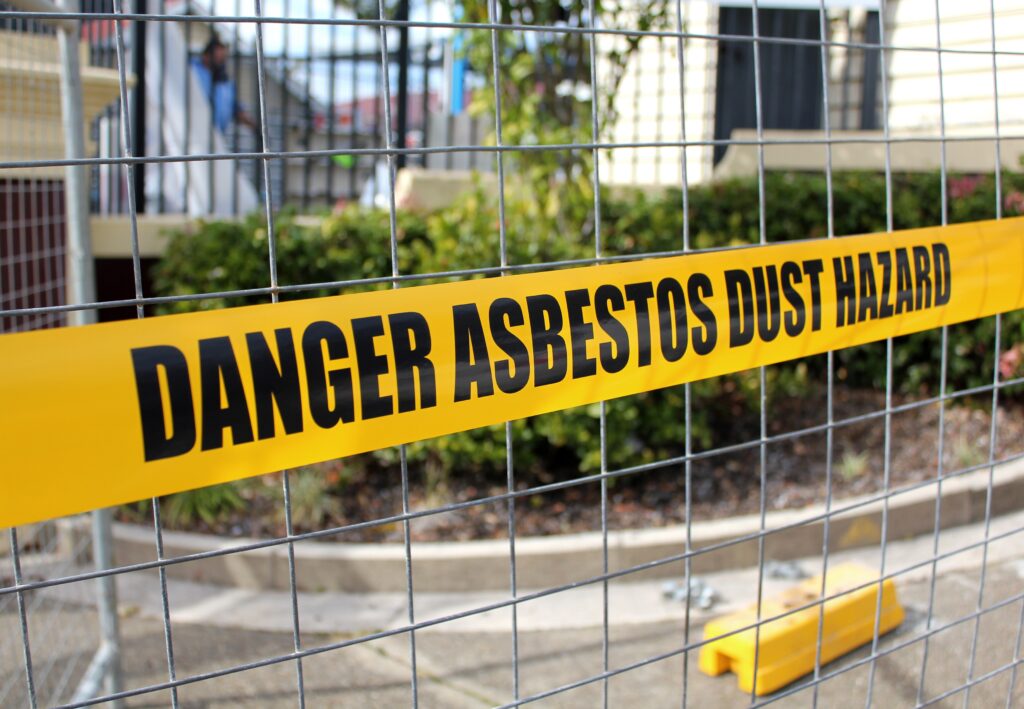
Asbestos
Asbestos was commonly used in older homes for insulation, flooring, roofing, and ceiling materials. When left undisturbed, it may not pose an immediate risk, but damaged or deteriorating asbestos can be hazardous. Buyers and lenders often require testing or removal, which can add time and expense to the selling process.
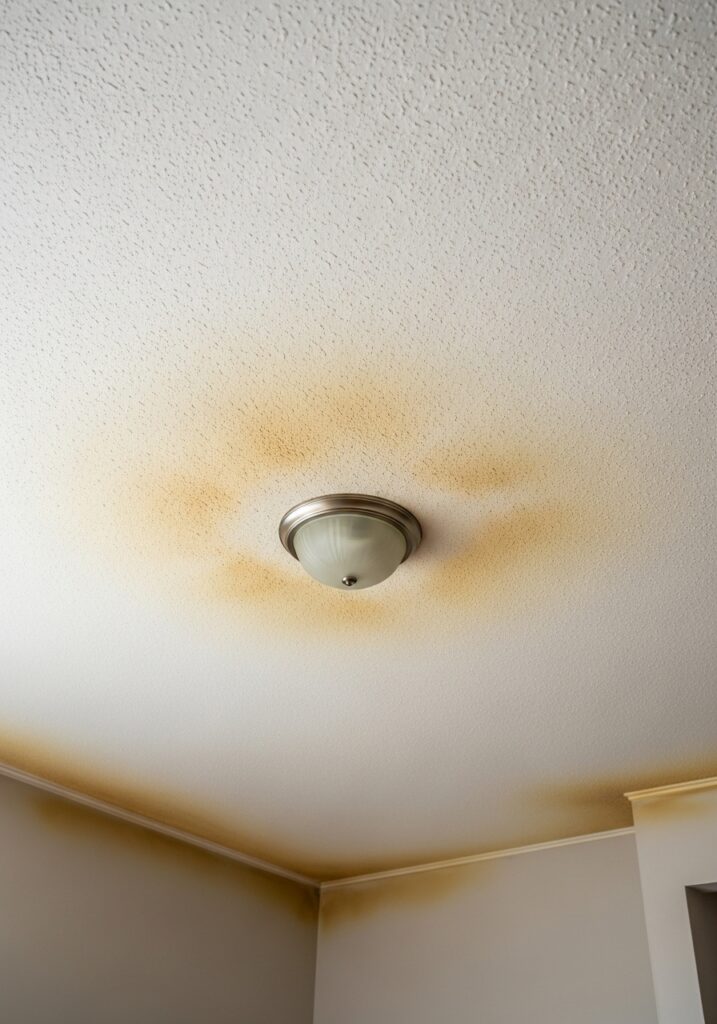
Smoke Damage
Smoke damage can result from house fires, fireplace use, or long-term indoor smoking. Even when structural damage is minimal, lingering odors, stains, and air quality concerns can be off-putting to buyers. Smoke damage often requires specialized cleaning and deodorization to make a home more appealing.
Radon
Radon is a naturally occurring, odorless gas that can seep into a home through the foundation. Elevated radon levels are a common concern during inspections and may require a mitigation system. While radon issues are fixable, they can still affect buyer confidence and negotiations.
Lead Paint
Lead-based paint is commonly found in homes built before 1978. Peeling or deteriorating lead paint can pose health risks, especially for children. Sellers are required to disclose known lead hazards, and buyers may request remediation or use the issue as leverage during negotiations.
Land or Soil Contamination
Land contamination can stem from prior industrial use, buried materials, fuel tanks, or nearby environmental hazards. This issue can be more complex than interior home problems and may involve environmental testing or regulatory oversight. Buyers often view contaminated land as high risk, which can limit financing options and slow the sale.
Other Environmental Concerns
Additional issues may include poor indoor air quality, contaminated well water, or proximity to environmental hazards such as landfills or industrial sites. While these problems vary in severity, they can still impact a buyer’s perception of safety and long-term value, making transparency and a clear plan especially important when selling.
Can You Sell a House with Environmental Issues?
Yes, you can sell a house with environmental issues—but it usually takes extra care, transparency, and the right strategy. Environmental concerns are often seen as higher risk by buyers, lenders, and inspectors because they can affect health, safety, and long-term liability. As a result, these issues may impact your home’s value, limit traditional financing, or lead to longer negotiations.
That said, many homeowners successfully sell properties with environmental issues by understanding their options and setting realistic expectations. Options include:
- Disclosing the Issue: Most states require sellers to disclose known environmental problems. Being upfront helps build trust and reduces the risk of legal trouble after the sale.
- Remediating the Problem: Depending on the issue, professional remediation or mitigation—such as mold removal, asbestos abatement, or radon systems—can make the home more attractive to buyers.
- Adjusting the Price: Some sellers choose to price the home to reflect the cost and risk of the issue, allowing buyers to handle remediation themselves.
- Selling As-Is to a Cash Buyer: Cash home buyers, such as New Again Houses, often purchase homes with environmental issues as-is, eliminating the need for repairs, inspections, or financing hurdles.
Ultimately, selling a house with environmental issues is possible. The key is choosing the path that best aligns with your timeline, budget, and comfort level—whether that means fixing the problem or selling the home as-is and moving on with peace of mind.
[CTA_FORM]
How to Sell a House with Mold, Asbestos, or Environmental Issues
Selling a home with environmental issues can feel overwhelming, but breaking the process into clear steps makes it far more manageable. Whether you plan to fix the problem or sell as-is, this step-by-step approach can help you move forward with confidence.
Step 1: Identify & Understand the Issue
Start by confirming what environmental problem you’re dealing with. This may involve a professional inspection or testing for issues like mold, asbestos, radon, or lead paint. Knowing the scope and severity helps you evaluate costs, risks, and next steps.
Step 2: Review Disclosure Requirements
Most states require sellers to disclose known environmental issues. Take time to understand what must be shared with buyers and in what form. Proper disclosure protects you legally and sets clear expectations from the start.
Step 3: Get Repair or Remediation Estimates
If you’re considering fixing the issue, obtain quotes from licensed remediation or abatement professionals. Comparing costs against your potential sale price can help you decide whether repairs make financial sense.
Step 4: Decide Whether to Fix or Sell As-Is
Some homeowners choose to remediate problems to attract traditional buyers, while others prefer to sell the property as-is. Selling as-is can save time and upfront costs, especially if the issue is extensive or expensive to address.
Step 5: Price the Home Accordingly
Environmental issues often affect a home’s market value. Work with a knowledgeable real estate professional or review comparable sales to set a realistic price that reflects the condition and any remaining risks.
Step 6: Choose the Right Buyer
Traditional buyers using financing may hesitate due to inspection or lender requirements. Cash buyers are often more flexible and willing to purchase homes with environmental issues, making them a practical option for a faster, simpler sale.
Step 7: Be Transparent Throughout the Process
Honesty goes a long way when selling a home with known issues. Providing inspection reports, estimates, or documentation upfront can reduce surprises, speed up negotiations, and help close the deal smoothly.
[CTA_FORM]
Tips for Selling a House with Mold, Asbestos, or Environmental Issues
Here’s what our cash home buying experts say you need to consider when selling a house with environmental issues.
1. Don’t Ignore the Problem
“Honestly, the biggest mistake I see homeowners make with issues like mold or asbestos is trying to ignore it and hoping it won’t come up. It almost always does because buyers almost always want to do a thorough home inspection. Once that inspection happens and the issues are noticed, traditional buyers can get cold feet fast, and even if the buyer doesn’t balk, the issue turns to the fact that lenders really don’t like environmental issues. Deals fall apart all the time because the loan won’t get approved or the buyer starts demanding expensive repairs.
The biggest thing is just being upfront about what you know. When everyone’s clear from the start, the process moves faster and with way less stress. For homeowners who want certainty and a clean exit, a cash sale is often the simplest and most realistic option, and I am eager to help.”

2. Prioritize Transparency & Legal Compliance
“Selling a home with health or environmental concerns—such as mold, asbestos, or smoke damage—is entirely possible in 2026, provided you prioritize transparency and legal compliance. Many states, such as California, New York, and Indiana, have specific forms that explicitly ask about mold, environmental hazards, and water damage. Addressing the issue before listing allows you to market the home at full value and attract a wider pool of buyers who rely on traditional financing, or you can list the property in its current state. While this saves you upfront repair costs, you should expect to reduce the price to account for the buyer’s future remediation expenses. Real estate investors often purchase “distressed” properties regardless of health hazards. This is the fastest route, often closing in as few as 7–10 days without the need for traditional bank approvals.”

3. Be Ready for Extra Scrutiny
“In a traditional sale, mold/asbestos/smoke triggers extra scrutiny: tougher inspections, specialists, and big remediation estimates. Buyers expect full disclosure, clean reports, and price credits—or they walk. Lenders/insurers may require repairs before closing, which can delay timelines, reduce offers, and spark renegotiations. Selling to a cash buyer can greatly simplify the sales process, allowing you to sell without remediating these issues first.”

4. Get Assessments Early
“The most common issue I see is homeowners panicking about disclosure requirements and repair costs. Many don’t realize the full extent of remediation expenses until they get estimates, which are often tens of thousands of dollars.
These problems significantly impact traditional sales. Buyers obtaining financing face strict lender requirements. Most lenders won’t approve loans until health hazards are professionally remediated. Even cash-ready buyers typically demand substantial price reductions or walk away entirely, leaving homes sitting on the market for months.
My top advice? Get honest assessments early, but don’t feel pressured to fix everything. Understand your disclosure obligations, then explore all options. Sometimes selling as-is to a direct buyer isn’t just easier, but it’s financially smarter than investing in repairs for a traditional sale that may never close.”

5. Understand That Traditional Sales Can Be a Big Challenge
“In 2026, environmental safety is very important. People are drawn to environmentally clean, healthy, natural, and safe options. If you have a property that has mold, asbestos, smoke, or other harmful toxins that could be in the dwelling, then it could be a big challenge for you to sell your house the traditional way. Luckily, there are still options for you; selling your house for cash is a very good option. I’ve been in and even bought plenty of houses that have been environmentally compromised. We have the skills, resources, and knowledge to know how to treat those areas, which is why we aren’t intimidated in buying such houses. Selling your house for cash is a smooth and quick option.”

6. Be Honest
“If there’s one thing I’ve learned, it’s that honesty saves people a lot of stress. Missouri law requires you to disclose known material defects, but beyond the legal side, surprises kill deals. I’ve seen plenty of contracts fall apart because an issue was discovered late in the process and trust was lost. When you’re upfront from the beginning, you stay in control. You’re not scrambling during inspections, and you’re protecting yourself from legal problems down the road.
It’s important to note that not every home belongs on the MLS. If the house needs work, listing it traditionally can mean months of showings, inspections, and failed contracts. Cash buyers who purchase as-is are often a better fit. This is where we come in. When New Again Houses buys a property, we take on the environmental issues ourselves. You don’t have to remediate mold, remove asbestos, or deal with lender requirements. We close with cash, handle the cleanup after the sale, and let you move on without the stress.”

7. Understand Your Options
“The good news is that it is absolutely possible to sell your house, even with mold issues. The question is…What’s the best choice for me?
Option A: I want to list the house for the highest possible price. For this, you will need to hire an expert to come and do a remediation. This way, you can certify that you have done what is needed to clear up any issues.
Option B: You can disclose that there is mold and sell the house “As Is.” You may find someone who wants a larger house than they can afford. This gives them the option to purchase a larger home for less and then perform the work themselves. Warning: this is an extremely limited buyer pool. Especially if they need to finance the house.
Option C: This is likely the easiest and most efficient option. Find a local investor who buys houses for cash. Try to avoid wholesalers as you begin speaking with people. Instead, find someone who fixes the homes, then either resells them or rents them out. This person will likely already have great contacts, local contractors that can perform the remediation for far less than you could because of their ongoing relationships. They will have the resources to offer you a fair price for your home, “As IS,” and quickly get you out of a not-so-pleasant situation.”

8. Take the Burden off Yourself
“The difficulty with mold or asbestos in a house is that it can be very difficult to determine on a surface level how extensive the house could be filled with it. But because we buy houses in as-is condition, we do not require owners to remediate these issues before selling. The burden is on us to take care of those problems!”

9. Avoid Liability Issues from Non-Disclosure
“Selling a house with bio growth or outdated construction materials (asbestos, lead-based paint, etc.) can prove to be extremely challenging for many homeowners. Many lenders intentionally try to limit exposure to such properties, so the appraisal and home inspection processes can both raise issues that terminate the sale. Cash buyers can be a good solution because they avoid the overlays that traditional lending methods include. The number one thing homeowners can do to facilitate the sales process in either scenario is to be transparent about what they know. Contractors and investors have solutions to these problems; they just need to know when and how to plan around them. The last thing you want is a liability issue from an intentional non-disclosure. They can also educate themselves on possible solutions and costs. There are a lot of tools available online to help educate, and professionals in many markets who specialize in these types of issues.”

10. Make the Right Choice for Your Situation
“Selling a home with issues like mold, asbestos, or other health concerns can quickly complicate a traditional sale. These problems often surface during inspections, leading to delays, repair demands, or buyers walking away—especially when financing is involved. While disclosure is required, homeowners don’t always need to invest in costly remediation to sell. For many sellers, a cash offer provides a simpler alternative. Cash buyers typically purchase homes as-is, avoid financing and appraisal hurdles, and can close on a flexible timeline. This reduces uncertainty and allows homeowners to move forward without prolonged negotiations or added stress. Ultimately, the right choice depends on the seller’s goals, timeline, and tolerance for risk—but understanding all available options helps homeowners make confident, informed decisions.”

[CTA_FORM]
Selling a House with Environmental Issues: FAQ
Can you sell a house with mold?
Yes, you can sell a house with mold. Mold is a common issue, and many homes are sold with known mold problems every year. Sellers are typically required to disclose known mold issues, and buyers may request remediation, negotiate the price, or choose to buy the home as-is
Can you sell a house with black mold?
Yes, but black mold can make selling more challenging. Because black mold is associated with health risks, buyers and lenders tend to be more cautious. Some sellers choose to remediate before listing, while others sell as-is to a cash buyer who is willing to handle the cleanup.
Can you sell a house with asbestos?
Yes, homes with asbestos can be sold. Asbestos is common in older homes and isn’t always dangerous if it’s intact and undisturbed. However, sellers must disclose known asbestos, and buyers may request testing, removal, or a price adjustment before moving forward.
Can you sell a house with radon? (h3)
Yes, you can sell a house with radon. Elevated radon levels are often discovered during inspections, and the issue is typically addressed with a mitigation system. Some sellers install mitigation before selling, while others disclose the issue and adjust the price accordingly.
Can you sell a house with lead paint?
Yes, selling a house with lead-based paint is allowed. Federal law requires sellers to disclose known lead paint hazards and provide buyers with specific information. Buyers may request repairs, credits, or choose to proceed as-is.
Do you have to disclose environmental issues when selling a house?
In most cases, yes. Sellers are generally required to disclose known environmental issues, including mold, asbestos, lead paint, or contamination. Failing to disclose can lead to legal problems after the sale, so transparency is always the safer option.
Will environmental issues prevent my home from selling?
Not necessarily. While environmental issues can limit buyer interest or financing options, they don’t make a sale impossible. Pricing the home appropriately, disclosing issues upfront, or selling to a cash buyer can keep the process moving.
Can environmental issues affect my home’s value?
Yes, environmental issues often impact a home’s market value. Buyers may factor in remediation costs, perceived risk, and inconvenience, which can lead to lower offers. Selling as-is typically reflects these factors in the final price.
Do lenders finance homes with environmental issues?
Traditional lenders may hesitate or require remediation before approving financing, depending on the issue. Problems like mold, asbestos, or contamination can delay or derail loan approval, which is why cash buyers are often a more reliable option.
Is selling as-is a good option for homes with environmental problems?
For many homeowners, yes. Selling as-is allows you to avoid costly repairs, inspections, and delays. Cash home buyers like New Again Houses specialize in purchasing homes with environmental issues, making the process faster and far less stressful.
Selling a House with Environmental Issues? Contact New Again Houses Today!
Selling a house with mold, asbestos, or other environmental issues doesn’t have to put your plans on hold. While these problems can complicate a traditional sale, there are still clear, practical options that allow you to move forward without the stress of costly repairs, inspections, or drawn-out negotiations.
At New Again Houses, we specialize in buying homes with environmental issues as-is. We help homeowners avoid remediation expenses, disclosure headaches, and financing delays by offering a fast, fair cash solution. Contact us today to explore your options and sell your home on your terms—no matter the condition