Selling a home is stressful enough, but unpermitted work can make the process even more overwhelming. From DIY projects, finished basements, and garage conversions to electrical or plumbing updates done without approval, unpermitted improvements can raise red flags for buyers, lenders, and inspectors. The good news is that selling a house with unpermitted work is still possible if you understand your options and risks.
In this roundup blog, we’ll break down what unpermitted work means, how it can affect your sale, and practical ways to move forward with confidence—whether that means fixing the issues, negotiating with buyers, or selling as-is to a cash home buyer.
- What Is Unpermitted Work?
- Common Examples of Unpermitted Work
- Can You Sell a House with Unpermitted Work?
- How to Sell a House with Unpermitted Work
- Tips for Selling a House with Unpermitted Work
- Selling a House with Unpermitted Work: FAQ
[CTA_FORM]
What Is Unpermitted Work?
Unpermitted work refers to any renovation, repair, or improvement made to a home without obtaining the required permits from the local building authority. Permits are meant to ensure that work meets safety codes and zoning regulations, especially for projects involving structural changes, electrical systems, plumbing, or major additions. When these approvals are skipped, even well-done work can be considered noncompliant.
This often happens with DIY projects, older renovations completed by previous owners, or updates made to save time or money. While unpermitted work may function just fine, it can create issues during inspections, appraisals, or buyer due diligence, which is why it becomes a concern when selling a home.
Common Examples of Unpermitted Work
Unpermitted work can show up in many forms, and homeowners are often surprised to learn that projects completed years ago may not meet current permitting requirements. In many cases, the work was done by a previous owner or completed as a DIY project without realizing a permit was needed. Here are some of the most common examples of unpermitted work:
Finished Basements or Attic Conversions
Basements and attics are often converted into living spaces without permits to save time or money. These projects typically require approval because they involve electrical work, egress requirements, insulation, and sometimes structural changes.
Garage Conversions
Turning a garage into a bedroom, office, or apartment usually requires permits and zoning approval. Unpermitted garage conversions can raise concerns about safety, parking requirements, and whether the space is legally considered livable.
Room Additions
Adding square footage to a home without permits is a common issue, especially in older properties. Unpermitted additions may not meet building codes and often don’t count toward the home’s official square footage, which can impact appraisals and pricing.
Electrical Upgrades
Electrical panels, rewiring, added outlets, or new lighting often require permits and inspections. Unpermitted electrical work is a major red flag for buyers because of potential fire and safety risks.
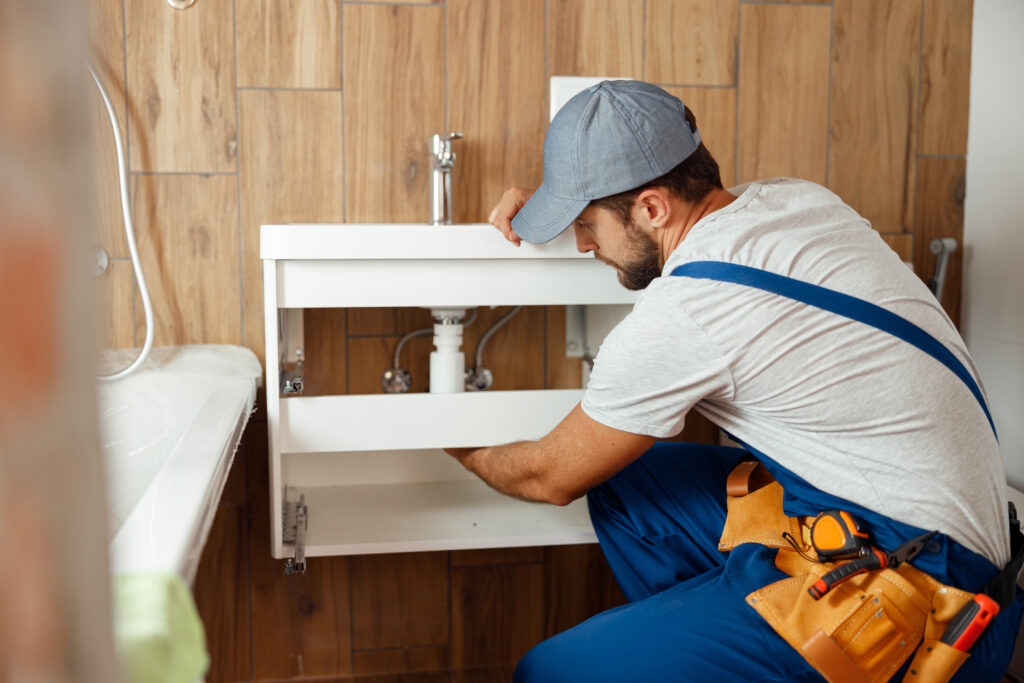
Plumbing Modifications
Changes to plumbing systems, such as moving pipes, adding bathrooms, or installing new fixtures, typically require permits. Without approval, buyers may worry about leaks, water damage, or code compliance.
HVAC Installations or Changes
Installing or modifying heating and cooling systems usually requires permits to ensure proper sizing, ventilation, and safety. Unpermitted HVAC work can affect energy efficiency and raise concerns during inspections.
Decks & Outdoor Structures
Decks, patios, fencing, retaining walls, and other outdoor structures often require permits based on size, height, and attachment to the home. Unpermitted structures may violate safety or setback requirements.
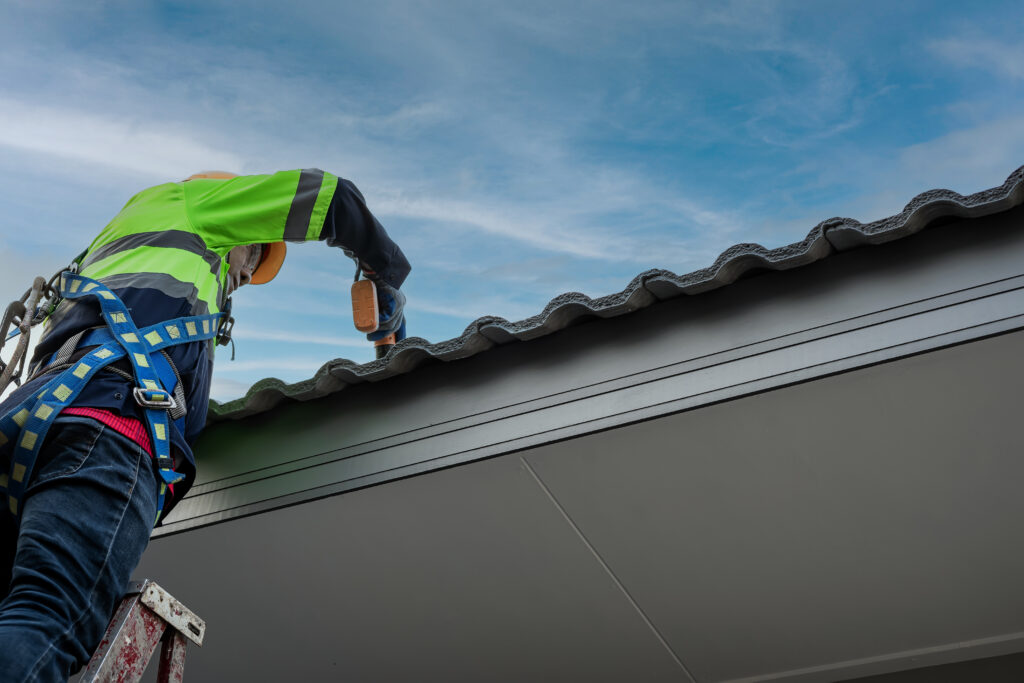
Roof Replacements
In some areas, full roof replacements require permits to confirm materials and installation meet local codes. Unpermitted roofing work can cause issues during insurance reviews or inspections.
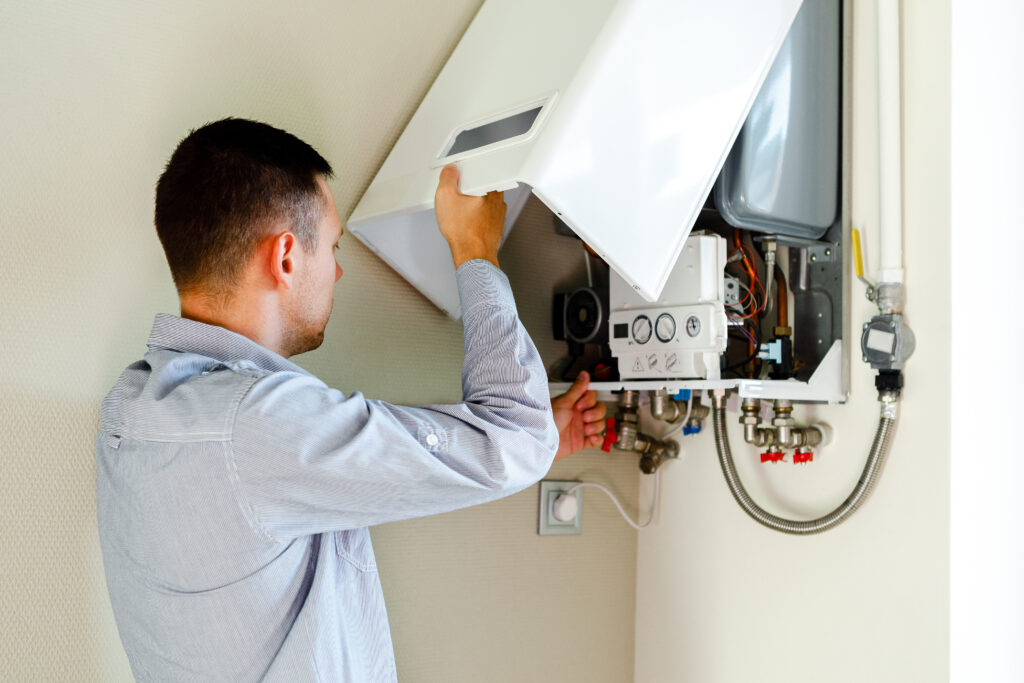
Water Heater Installations
Replacing a water heater may seem minor, but permits are often required to ensure proper installation, ventilation, and safety standards are met. Missing permits can raise concerns about compliance and longevity.
DIY Home Renovations
Many homeowners take on DIY projects without realizing permits may be required. This can include anything from removing or adding walls, installing built-in shelving, or updating flooring. While these projects might improve the home’s look, unpermitted work can create issues with inspections, appraisals, and insurance.
[CTA_FORM]
Can You Sell a House with Unpermitted Work?
Yes, you can sell a house with unpermitted work, but it often requires extra steps and transparency. Buyers, lenders, and inspectors may view unpermitted projects as a risk because they haven’t been verified for safety, code compliance, or proper construction. This can affect your home’s appraised value, limit financing options, and slow down the sale.
That said, many homeowners successfully sell properties with unpermitted work by being upfront and providing as much documentation as possible. Options include:
● Disclosing the Work: Full disclosure builds trust with buyers and helps avoid legal issues later.
● Making Repairs or Obtaining Retroactive Permits: In some cases, you can bring work up to code or get a permit after the fact.
● Selling As-Is to a Cash Buyer: Companies that buy homes for cash, like New Again Houses, often purchase properties with unpermitted work, saving you time and the hassle of permits or repairs.
Ultimately, selling a house with unpermitted work is possible—you just need to understand your options and choose the approach that best fits your timeline, budget, and goals.
How to Sell a House with Unpermitted Work
Step 1: Identify All Unpermitted Work
Start by walking through your home and making a detailed list of any projects or renovations that were done without permits. Knowing exactly what work is unpermitted will help you determine the next steps.
Step 2: Gather Documentation
Collect any records related to the unpermitted work, such as invoices, contracts, plans, or photos. Documentation showing quality of work—even without permits—can reassure potential buyers that the work was done safely and professionally.
Step 3: Consider Retroactive Permits or Repairs
Check with your local building department to see if it’s possible to obtain permits after the fact. Some jurisdictions allow retroactive approval if the work meets code. If retroactive permits aren’t an option, you may need to make repairs or modifications to bring the work up to standard.
Step 4: Disclose the Unpermitted Work to Buyers
Transparency is key. Clearly disclose all unpermitted work in your listing and during negotiations. This protects you legally and helps build trust with buyers who may be hesitant about hidden issues.
Step 5: Adjust Your Pricing
Unpermitted work can affect appraisals and financing. Consider pricing your home to reflect the potential risks or costs a buyer might incur to legalize or fix the work. A fair price can make the property more attractive despite the unpermitted projects.
Step 6: Market to the Right Buyers
Some buyers, such as investors or cash buyers, are more comfortable purchasing homes with unpermitted work. Marketing to this audience can speed up the sale and reduce the stress of inspections and financing hurdles.
Step 7: Work with Professionals
Real estate agents familiar with unpermitted work, inspectors, or cash home buyers can guide you through the process. Their expertise ensures you meet legal requirements, present your home honestly, and sell efficiently.
Step 8: Decide on Selling Strategy
You have options:
● Sell As-Is: Especially suitable for cash buyers who handle unpermitted work themselves.
● Complete Permitting/Repairs: Useful if aiming for traditional financing or a higher sale price.
● Partial Disclosure & Negotiation: For buyers willing to take on some risk if the price reflects it.
[CTA_FORM]
Tips for Selling a House with Unpermitted Work
Here’s what our cash home buying experts say you need to consider when selling a house with unpermitted work.
1. Assess the Cost & Risk of Unpermitted Work
“After transforming dozens of homes across the Tampa Bay area, I’ve seen every challenge imaginable—and unpermitted work is one of the most common. While these improvements may have added value and functionality at the time, they create significant obstacles during a traditional sale. Buyers struggle to secure financing when appraisers discover unpermitted work, and lenders often refuse to fund the purchase until permits are retroactively obtained—a process that can be expensive, time-consuming, and sometimes impossible. This is why cash sales through companies like New Again Houses are often the easiest solution. We buy homes as-is, eliminating the need for permits, inspections, and lengthy negotiations. My top advice? If you discover unpermitted work, don’t panic. Get a professional assessment of what’s involved in bringing it to code, then weigh that cost against a quick cash sale. Often, selling as-is to a cash buyer who understands the local market saves you both time and money, letting you move forward without the stress.”

2. Consult a Local Real Estate Agent or Building Department
“Yes, you can sell a house with unpermitted work, but you must legally disclose it to buyers, or risk lawsuits; options include getting retroactive permits, offering credits, lowering the price, or selling “as-is” with full disclosure, but unpermitted additions (like extra rooms/basements) often devalue the home as lenders/inspectors may not count them and buyers get nervous about future liability, so consulting a local real estate agent or building department is key.”

3. Expect Delays with Septic or Structural Issues
“Unpermitted septic issues are common in rural areas, often tied to bedroom counts that exceed the original permit. These surprises can delay a traditional sale or require costly fixes. Because lenders may not approve loans with unresolved work, cash buyers often offer the smoothest path forward and a faster, stress-free closing.”

4. Think About How You Can Avoid Municipal Hassles
“Selling your property with unpermitted work or even open permits can be challenging. Typically, the only resolution to that problem is satisfy the local municipality’s requirements; this can be very timely and very costly. If you find yourself stuck in this situation, an easy solution is to sell your house for cash. Selling your property to a Home Buyer, like New Again Houses, can quickly solve that problem. We buy houses regularly that have unpermitted renovations or even open permits. We have the local construction team and the resources available to fix those permitting problems so you don’t have to.”

5. Streamline the Sale
“With a cash sale, offers are much more streamlined and straightforward. We take a look around the house prior to making the offer, and we assume the risk and responsibility of bringing the house up to code and completing any necessary permits. As the homeowner, all you have to do is give us a call and we can have it closed in a flash!”

6. Understand Your Options
“You can sell a house with unpermitted work, and it happens more often than most homeowners realize. Unpermitted does not automatically mean unsafe—it simply means the local municipality never inspected or approved the work.
Homeowners generally have three options. The most common is disclosing the unpermitted work and selling the home as-is. This approach avoids permit costs and delays and is often the fastest way to sell. Another option is legalizing the work by pulling retroactive permits, which may increase buyer confidence but can involve inspections, opening walls, and additional expenses with no guarantee of approval. A third option is selling directly to an investor, which eliminates permit concerns entirely and offers a quicker, more predictable closing.
Unpermitted work does not mean your home is unsellable. It simply requires a thoughtful approach that balances your timeline, budget, and goals. With proper disclosure, realistic pricing, and the right buyer strategy, homeowners can successfully sell a property with unpermitted improvements and move forward with confidence.”

7. Know Local Code Variations & Plan Ahead
“Unpermitted work can cause huge complications with real estate, but the most surprising aspect is how widely the impact varies between areas. Codes offices have wildly different practices when it comes to adopting and enforcing building codes, and that variance carries through to their perspective on previously completed unpermitted work. Unpermitted work can become an issue when improvements need to be done and a new permit is pulled, or when loan underwriting criteria screens new properties, or when buyers are completing their due diligence prior to purchase. Cash buyers are often skilled at knowing what hoops to jump through in their local areas and often have the knowledge to correctly plan in advance for how to solve those issues post-purchase. In real estate, we often say that cash solves problems, and many traditional homebuyers are leveraging all the cash they have to compete in today’s housing market. Cash buyers have flexibility, and that’s a huge advantage for sellers when dealing with something like unpermitted work.”

8. Simplify the Sale by Shifting Responsibility
“A cash offer for your home with unpermitted work greatly simplifies the sale process for you. By bypassing lender requirements (inspections, appraisals, underwriting), our “as-is” cash purchase shifts the risk and responsibility for any unpermitted work entirely to us. This approach saves you the time, cost, and complexity associated with obtaining retroactive permits, addressing code violations, having a smaller buyer pool, or offering buyer credits, which allows for a faster, smoother transaction and closing.”

9. Rely on Professionals to Handle Permits & Inspections
“Unpermitted additions and other improvements to a house can be a challenge when selling your house on the open market.
When it comes to the inspection or appraisal part of the process is when this would most likely occur. Nowadays, most buyers will opt to have a home inspection performed, and these types of issues can and will come up in many cases. Often, appraisers will ask about additions they notice because some underwriting guidelines for loans may call for additions to be permitted.
We typically do not worry about issues like this because our contractors pull permits and make the changes to pass building code inspections when necessary. This makes it a lot easier to sell your house to us or a professional real estate investor like us in most cases.”

[CTA_FORM]
Selling a House with Unpermitted Work: FAQ
Can I sell a house with unpermitted work?
Yes, you can sell a house with unpermitted work, but it requires full disclosure to buyers. Options include making repairs or obtaining retroactive permits, selling as-is to a cash buyer, or adjusting your pricing to reflect potential risks.
Does unpermitted work affect appraisal?
Unpermitted work can lower your home’s appraised value because appraisers may exclude unpermitted additions or improvements from the official square footage. This can also make it harder for buyers to secure financing.
What happens if you sell a house with unpermitted work?
Selling a home with unpermitted work may slow down the process, limit buyer interest, or require legal disclosure. Selling to a cash buyer can simplify the sale, as they often purchase homes as-is and handle any code compliance issues themselves.
Selling a House with Unpermitted Work? Contact New Again Houses Today!
Selling a home with unpermitted work doesn’t have to be stressful or complicated. With the right approach—whether disclosing the work, making necessary updates, or selling as-is to a cash buyer—you can move forward confidently and quickly.
At New Again Houses, we specialize in purchasing homes with unpermitted projects, helping homeowners avoid the hassle of permits, repairs, and lengthy negotiations. Contact us today to get a fair offer and sell your home on your terms, no matter the condition.